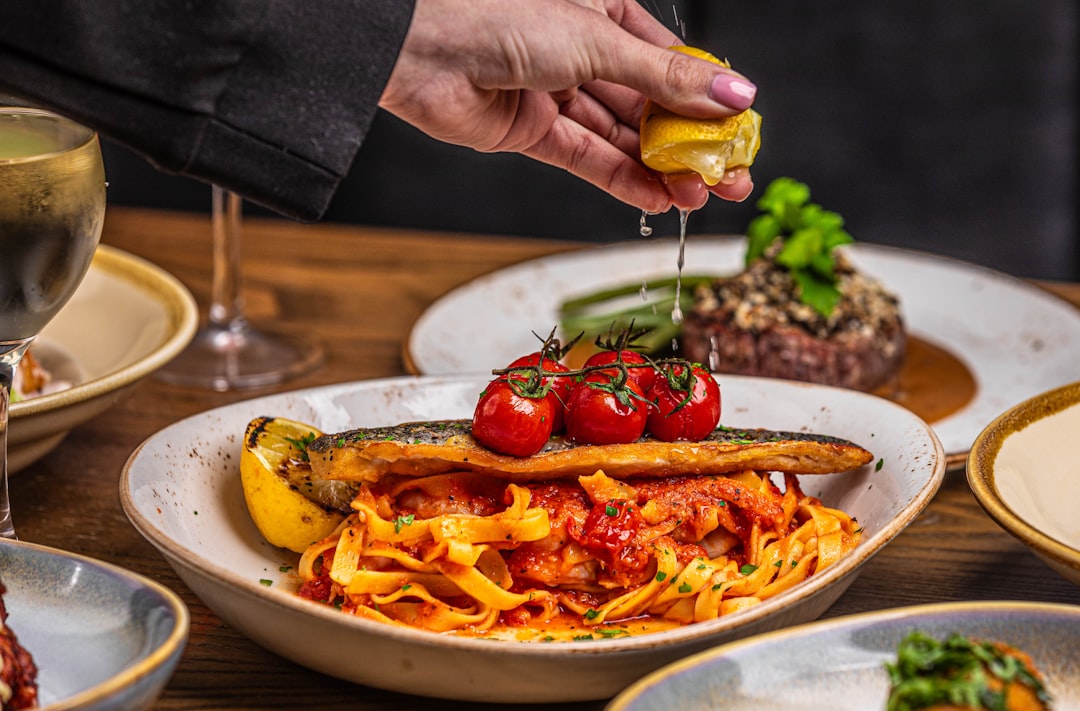
Common Pitfalls in Crafting Central Italian Herb Sauces

Common Pitfalls in Crafting Central Italian Herb Sauces

Introduction to Central Italian Herb Sauces

An overview of the distinctive qualities of Central Italian tomato and herb sauces and their culinary importance.

Central Italy's tomato and herb sauces are a staple, and they're more than just crushed tomatoes with a sprinkle of basil. The region's climate and agriculture heavily influence the flavors. The fertile soil and moderate temperatures allow for a diverse range of herbs and tomatoes, each contributing to the sauce's unique taste. When making these sauces, the choice of tomato is crucial. San Marzano tomatoes, for instance, are often preferred for their rich flavor and low acidity.

Key Considerations for Making Central Italian Herb Sauces

  • Choose San Marzano tomatoes for their rich flavor and low acidity.
  • Add fresh herbs towards the end of cooking to preserve their vibrant flavor.
  • Balance flavors carefully to avoid overpowering the herbs with garlic or onion.
  • Season with salt and a touch of sugar to enhance the natural sweetness of the tomatoes.
  • Aim for a sauce texture that clings to pasta but isn't pasty.

But watch out—common pitfalls can ruin the sauce. Overcooking the tomatoes can lead to a bitter taste, so keep an eye on the heat. Fresh herbs should be added towards the end of cooking. This keeps their flavor vibrant and avoids that dull, cooked-down taste. Another mistake? Using dried herbs instead of fresh. Fresh herbs offer a brighter, more aromatic profile. For cooks who want to know regional inspirations behind gourmet pasta sauce should dive deeper into the details.. If you're using oregano, basil, or parsley, fresh is the way to go.

The balance of flavors is key. Too much garlic or onion can overpower the herbs. It's about harmony. Also, don't skip the seasoning. Salt and a touch of sugar can enhance the natural sweetness of the tomatoes and balance out acidity.

Timing matters. Letting the sauce simmer for too long isn't always better. It can thicken too much or lose its vibrant color. Aim for a texture that clings to pasta but isn't pasty. If you're not careful, you end up with a sauce that's either too watery or too thick. Both can throw off the whole dish.

So, keep these factors in mind. The result is a sauce that's flavorful, balanced, and true to its Central Italian roots.
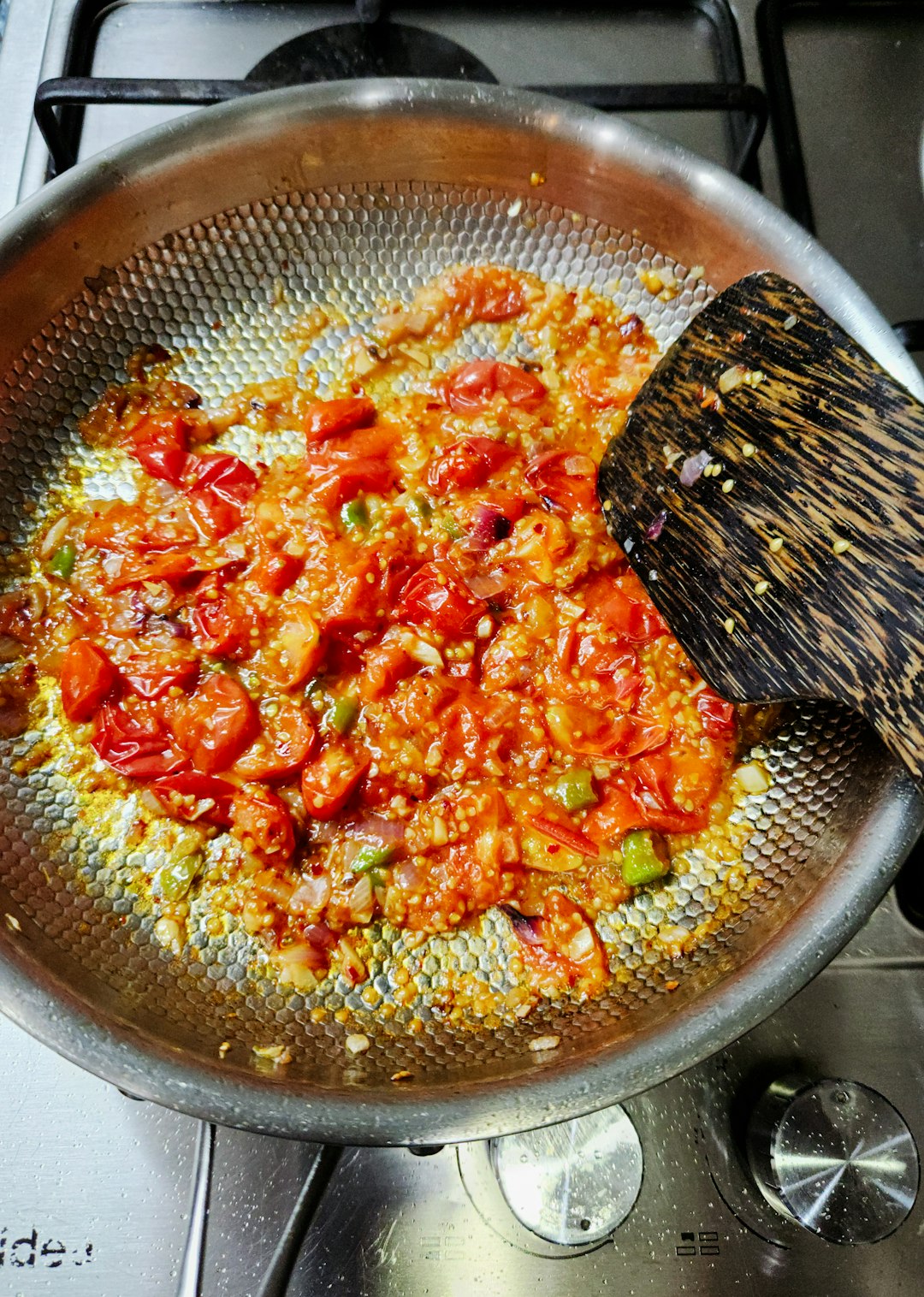
Significance of Climate and Agriculture

Exploring how Central Italy's climate and agricultural practices shape the ingredients used in these sauces.

When crafting tomato and herb sauces in Central Italy, it's all about understanding the local ingredients and how they work together. The region's climate plays a significant role. Tomatoes here are not just tomatoes; they're shaped by the sun and soil, giving them a unique flavor profile. The herbs—basil, oregano, rosemary—are also products of this environment. Freshness is key. The mistake many make is using dried herbs or tomatoes out of season. It dulls the vibrant taste these sauces are known for.

Key Points to Remember

  • Local climate influences the unique flavor of tomatoes and herbs.
  • Fresh ingredients are essential for maintaining vibrant flavors.
  • Balance of herbs is crucial to avoid overpowering the sauce.
  • Use extra virgin olive oil wisely to prevent greasiness.
  • Salt enhances the natural sweetness of tomatoes.

Timing is crucial. You want to simmer the sauce just enough to blend the flavors but not so long that it loses its brightness. Another pitfall is overloading the sauce with too many herbs. Balance is everything. Too much oregano, for example, can overpower the tomatoes.

Be careful with the oil, too. Extra virgin olive oil is your best bet, but use it wisely—too much and it becomes greasy. If you skip the olive oil or use a subpar one, you lose that rich, smooth texture.

And don't forget the salt. It's not just for seasoning but for enhancing the natural sweetness of the tomatoes. But again, moderation is key.

Understand these elements, and you'll avoid the errors that can turn a potentially delightful dish into a bland or overwhelming mess. Keep it simple, respect the ingredients, and let the climate and agriculture of Central Italy guide you.

Selecting the Right Tomatoes

Common mistakes in choosing tomatoes and how to select the best varieties for authentic flavors.

When crafting Central Italy's tomato and herb sauces, one of the first things to get right is the choice of tomatoes. San Marzano tomatoes are often the go-to because of their sweet, low-acid profile. These tomatoes are meaty, with fewer seeds, making them ideal for creating a rich sauce. A common mistake is using tomatoes that are too watery or acidic, which can throw off the balance of flavors. If you don't correct this, the sauce might end up tasting more like a salad dressing than a hearty Italian staple.

Key Points to Remember

  • Choose San Marzano tomatoes for their sweet, low-acid profile.
  • Avoid tomatoes that are too watery or acidic.
  • Use fresh herbs like basil and oregano for the best flavor.
  • Add herbs towards the end of cooking to preserve their aroma.
  • Season adequately with salt to enhance sweetness and balance acidity.

Fresh herbs play a crucial role as well. Basil and oregano are the stars here, but their freshness is key. Dried herbs just don't cut it; they lack the punch needed to stand up against the robust tomato base. Another pitfall to avoid is adding the herbs too early in the cooking process. If they're cooked too long, they lose their brightness and can turn bitter. Instead, add them towards the end to preserve their aromatic qualities.

Understanding the regional climate of Central Italy can help, too. The sunny, temperate weather contributes to the vibrant flavors of the herbs and tomatoes. Trying to replicate this in a different climate? Consider growing your own herbs indoors or sourcing from a local farmer's market to get the freshest ingredients possible.

Inadequate seasoning is another misstep. Salt is more than just a flavor enhancer; it pulls out the natural sweetness of the tomatoes and balances acidity. A little sugar can also help if the tomatoes aren't sweet enough. But don't overdo it-otherwise, you're veering into dessert territory.

Herb Selection and Pairing

Understanding which herbs complement the tomatoes and how incorrect pairings can affect the sauce profile.

Central Italy is known for its tomato-based sauces that are a staple in many regional dishes. These sauces rely heavily on fresh herbs to bring out their full potential. The use of herbs like basil, oregano, and thyme is crucial because they complement the natural sweetness and acidity of the tomatoes. However, getting the balance right is where many stumble.

Key Points for Herb and Tomato Sauce Pairing

  • Fresh herbs like basil, oregano, and thyme enhance the natural flavors of tomatoes.
  • Overusing herbs can overpower the sauce, leading to bitterness.
  • Fresh herbs should be added towards the end of cooking for optimal flavor.
  • Sun-ripened tomatoes from Central Italy contribute unique sweetness and low acidity.

One common pitfall is overloading the sauce with herbs, which can overpower the tomatoes rather than enhance them. It's important to remember that less can be more. Fresh herbs have a potent flavor, and adding too much can tilt the sauce into an unwanted bitterness. Another mistake is using dried herbs when fresh ones are called for. Fresh herbs offer a vibrant, aromatic profile that dried simply can't match. If fresh isn't available, it's better to adjust the amount of dried herbs used, as they are more concentrated.

Timing also matters. Adding herbs too early in the cooking process can lead to a loss of flavor. Ideally, fresh herbs should be added towards the end, allowing their aroma to infuse the sauce without being cooked away.

The climate and agriculture of Central Italy play a big role in these sauces. The tomatoes from this region are often sun-ripened, which gives them a unique sweetness and low acidity. Not accounting for these characteristics can result in a sauce that feels off-balance.

Understanding these nuances is essential for anyone looking to master Central Italian tomato and herb sauces. Paying attention to these details can make the difference between a sauce that's simply good and one that's truly memorable.

Balancing Acidity and Sweetness

Techniques to manage the balance of acid and sweet elements in the sauce, avoiding common errors.

Central Italy's tomato and herb sauces are a cornerstone of the region's culinary identity. These sauces are not just about tossing some tomatoes and herbs together. They reflect the region's unique climate and agriculture, which play a huge role in their flavor. In Central Italy, the soil and sun create tomatoes that are both sweet and acidic, a balance that's crucial for a good sauce. But here's where people often trip up: ignoring the balance between acidity and sweetness.

Key Tips for Perfect Sauce Balance

  • Taste frequently to maintain the right balance.
  • Add sugar sparingly to counter excessive acidity.
  • Use fresh herbs for depth and complexity.
  • Allow the sauce to simmer for full flavor development.

When crafting these sauces, it's easy to overdo the acidity from tomatoes or the sweetness from added sugar. Too much acidity, and your sauce becomes sharp and unpleasant. Too much sweetness, and you lose that fresh, tangy kick. The trick is to taste as you go. Add sugar sparingly, only if the tomatoes are overly acidic, and adjust with a pinch of salt if it gets too sweet. Fresh herbs like basil and oregano are essential, but they need to be added at the right time. Throw them in too early, and you risk losing their vibrant flavor. Add them too late, and they won't infuse properly.

Another common mistake is using dried herbs instead of fresh ones. Fresh herbs are what give the sauce its aromatic depth and complexity. Dried herbs can work in a pinch, but they won't capture the full essence of the sauce. If you skip this, you'll end up with a flat, one-dimensional flavor.

Finally, patience is key. Let the sauce simmer to allow flavors to meld together. Rushing this process results in a sauce that's underdeveloped. So, take your time, adjust as needed, and you'll craft a sauce that truly captures the essence of Central Italy.

The Role of Cooking Techniques

An examination of typical cooking methods used for these sauces and mistakes that could compromise texture and taste.

Central Italy's tomato and herb sauces are a testament to the region's rich agricultural bounty and culinary traditions. These sauces are more than just a mix of ingredients; they reflect the regional climate and soil, which are perfect for growing vibrant tomatoes and aromatic herbs. The balance of flavors in these sauces is crucial. Yet, many amateurs make the mistake of overwhelming the sauce with too many herbs or not enough acidity. A good tomato sauce needs a touch of acidity—often from a splash of red wine vinegar or a squeeze of lemon—to balance the natural sweetness of the tomatoes. Without it, the sauce can taste flat.

Key Tips for Perfect Tomato and Herb Sauces

  • Use ripe, high-quality tomatoes, preferably San Marzano.
  • Add fresh herbs like basil and parsley towards the end of cooking.
  • Incorporate a touch of acidity to balance sweetness.
  • Season with salt carefully, tasting as you go.

Another common pitfall is overcooking the herbs. Fresh herbs like basil and parsley should be added towards the end of cooking to preserve their bright flavors. Cooking them too long can lead to a bitter taste. Timing is everything. You want the herbs to infuse their aroma without losing their essence.

Then there's the choice of tomatoes. Opt for ripe, high-quality tomatoes, preferably San Marzano, as they have a sweet, low-acid profile ideal for sauces. Using canned tomatoes can work, but they must be of good quality. Cheap, low-grade tomatoes can result in a sauce lacking in depth and character.

Lastly, don't forget the seasoning. Salt is essential, but it's easy to overdo it. Taste as you go. The right amount can enhance the natural flavors, but too much can ruin the dish. Crafting a perfect Central Italian tomato and herb sauce is about balance and understanding the ingredients. Avoid these common mistakes, and you'll be on your way to creating a sauce that's both simple and extraordinary.

The Impact of Olive Oil Quality

How the quality of olive oil influences the final product and pitfalls in its selection.

Central Italy's tomato and herb sauces are a lesson in how geography shapes flavor. The climate and soil of this region are perfect for growing tomatoes and herbs like basil, thyme, and rosemary. The result? Sauces that pack a punch with their fresh and vibrant profiles. But there are pitfalls when crafting these sauces that you need to watch out for.

Key Considerations for Sauce Perfection:

  • Use fresh tomatoes like San Marzano or Roma for authentic flavor.
  • Add fresh herbs towards the end of cooking to preserve their aroma.
  • Balance acidity by using vinegar or lemon juice sparingly.
  • Choose high-quality extra virgin olive oil to enhance the sauce.
  • Allow the sauce to simmer gently for a well-developed taste.

First off, using canned tomatoes instead of fresh ones can be a mistake. Fresh tomatoes, especially San Marzano or Roma, give you a richer, more authentic taste. Canned tomatoes can add a metallic undertone that disrupts the harmony of flavors. Another common misstep is overcooking the herbs. Fresh herbs should be added towards the end of cooking. Overcooking them leads to bitterness and a loss of their aromatic qualities.

And let's not forget the balance of acidity. Central Italian sauces often have a natural sweetness due to the quality of tomatoes, but this can be offset by too much vinegar or lemon juice. Finding the right balance is key. Use these acidic ingredients sparingly to enhance, not overpower, the sauce.

A major error is neglecting the quality of olive oil. It's not just a cooking medium; it's a flavor component. Using low-quality oil can leave your sauce tasting flat and greasy. Opt for a good extra virgin olive oil to complement the fresh ingredients.

Finally, don't rush the simmering process. A hastily prepared sauce can taste raw and undeveloped. Allowing the sauce to simmer gently lets the flavors meld beautifully, giving you that rich, comforting finish typical of Central Italian cuisine. Avoid these pitfalls, and you'll have a sauce that truly captures the essence of the region.

Regional Variations and Innovations

A look at local twists and modern adaptations, highlighting potential missteps in trying to innovate.

Central Italy is famous for its rich, tomato-based sauces that are infused with fresh herbs. These sauces are not just a culinary delight but a testament to the region's climate and agriculture. The fertile soil and Mediterranean weather create the perfect conditions for growing vibrant tomatoes and aromatic herbs. But crafting these sauces isn't as straightforward as it seems.

Key Considerations for Authentic Central Italian Sauces

  • Use fresh, sun-ripened tomatoes for natural sweetness and acidity.
  • Avoid overcooking to preserve the vibrant flavors of the herbs.
  • Add basil and oregano at the right time to maintain their aroma.
  • Be cautious with salt, as flavors intensify when the sauce cools.
  • Drizzle high-quality extra virgin olive oil for added richness without overpowering other flavors.

One common pitfall is using canned tomatoes instead of fresh ones. Fresh, sun-ripened tomatoes bring out a natural sweetness and acidity that canned ones can't match. Another mistake is overcooking the sauce. While it's tempting to let it simmer for hours, this can dull the flavors of the herbs and result in a sauce that tastes flat.

Herbs are crucial here. Basil and oregano are staples, but they should be added at the right time. Throw them in too early, and you risk losing their fresh aroma. Add them too late, and they won't infuse properly. The timing is everything.

Salt is another factor. It's easy to go overboard, especially if you're tasting the sauce while it's hot. Remember, flavors intensify as the sauce cools, so be cautious.

Lastly, don't forget the olive oil. A good drizzle of high-quality, extra virgin olive oil can elevate the sauce, adding a layer of richness and depth. But don't drown the sauce in it. Too much oil can overpower the other flavors.

Mastering these elements can transform your tomato and herb sauce from just another dish to an authentic taste of Central Italy. Keep these pitfalls in mind, and you'll be well on your way to creating sauces that are both vibrant and aromatic, just like the region itself.

Frequently Asked Questions

Common mistakes include using dried herbs instead of fresh, not balancing acidity with sweetness, and overcooking the tomato base which can lead to a loss of vibrant flavors.
The regional climate provides optimal growing conditions for fresh herbs and tomatoes, resulting in sauces with bright, aromatic profiles that reflect the unique agricultural characteristics of Central Italy.